Iridescent Foil Texture: A Versatile Tool for Digital Creativity
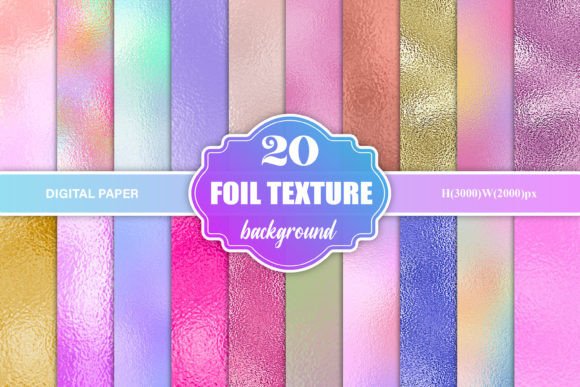
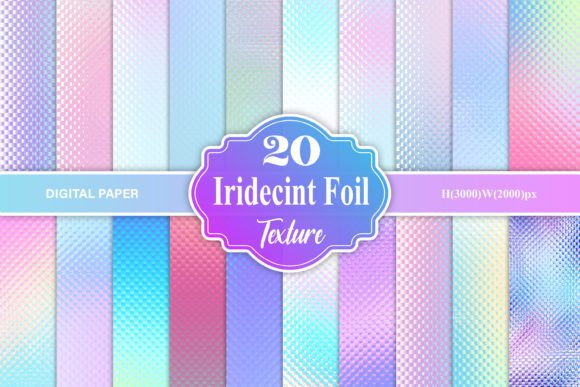
Iridescent Foil Texture is a design element that adds a shimmering, reflective quality to digital projects. This texture mimics the appearance of real foil, capturing light in a way that creates a dynamic and luxurious visual effect. Whether you're working on stationery, web design, or social media graphics, Iridescent Foil Texture can elevate your work with its unique shine and depth.
Why Iridescent Foil Texture Matters
Designers and creators are constantly seeking ways to make their work stand out. Iridescent Foil Texture offers an easy yet powerful solution. Its ability to reflect light across different angles makes it ideal for adding visual interest to otherwise flat designs. This texture is particularly useful when you want to convey elegance, sophistication, or a sense of luxury without using actual metallic materials.
One of the main reasons people are interested in Iridescent Foil Texture is its versatility. It works well across a wide range of creative applications, from branding materials to digital art. The texture's iridescent properties mean it doesn't look static—it changes depending on the angle of view, which can add a level of engagement that traditional textures lack.
Benefits of Using Iridescent Foil Texture
- Luxurious Visual Appeal: The reflective nature of Iridescent Foil Texture gives any project a high-end feel, making it perfect for premium branding or editorial work.
- High-Quality Resolution: With 300 DPI resolution and a size of 3000×2000 px, these textures are suitable for both print and digital use, ensuring crisp and clear results.
- Easy Integration: As a set of JPG files, these textures are straightforward to use in most design software, allowing for quick implementation into projects.
- Wide Range of Styles: The bundle includes multiple styles, giving users the flexibility to choose the best fit for their specific needs.
The convenience of having a comprehensive bundle also means you can experiment with various textures without needing to search for individual assets. This saves time and streamlines the creative process, especially for those who frequently need background elements or text overlays.
Considerations and Tradeoffs
While Iridescent Foil Texture has many advantages, it's important to consider its limitations. For instance, it may not be the best choice for projects that require a more subtle or matte finish. Additionally, because of its reflective nature, it can sometimes overpower other design elements if not used carefully.
Another consideration is the file format. Although JPG is widely supported, it is a lossy format, meaning some details might be lost during compression. If you're working on high-detail or professional-grade projects, you may want to explore alternative formats like PNG for better quality retention.
Situations Where Iridescent Foil Texture Excels
Iridescent Foil Texture shines in situations where a touch of luxury or visual flair is needed. This includes:
- Branding Materials: Logos, business cards, and packaging can benefit from the added sophistication this texture provides.
- Social Media Graphics: Posts, banners, and ads can stand out more with the dynamic reflections of this texture.
- Web Design: Backgrounds or decorative elements on websites can enhance user experience with a visually engaging layer.
- Digital Art: Artists looking to add depth and dimension to their work can incorporate this texture seamlessly.
For designers aiming to create a sense of exclusivity or high-end appeal, Iridescent Foil Texture is a strong contender. It’s particularly effective in industries such as fashion, beauty, and lifestyle, where visual impact plays a crucial role.
When to Consider Alternatives
While Iridescent Foil Texture is a great option, there are scenarios where alternatives may be more appropriate:
- Matt Finish Projects: If your design requires a non-reflective or more subdued look, opt for matte textures instead.
- Low-Resolution Needs: For projects that don’t require high detail, lower-resolution textures can be more cost-effective and efficient.
- Custom Color Matching: If precise color control is essential, consider using vector-based textures or custom illustrations.
It's also worth considering the context in which the texture will be used. For example, in print media, the texture should be tested to ensure it translates well under physical conditions, including lighting and paper type.
Decision-Making Insights
When deciding whether to use Iridescent Foil Texture, consider your project's goals and audience. If you're targeting a luxury market or creating content for high-end clients, this texture can help reinforce that brand identity. However, if your project is more casual or requires a minimalist approach, you may want to explore simpler textures.
Ultimately, the key is to match the texture to the message you want to convey. Iridescent Foil Texture is a powerful tool, but like any design asset, its effectiveness depends on how it's applied within the broader context of your creative work.