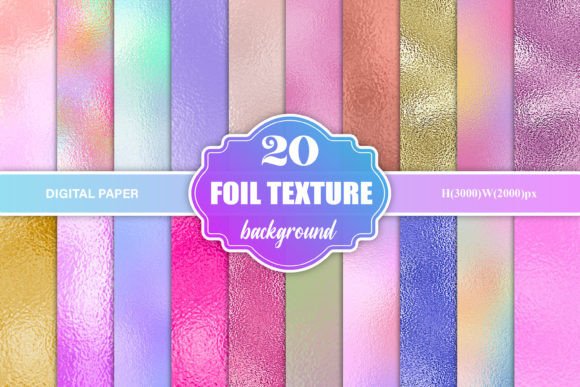
Foil Texture Background
Foil Texture Background is a versatile design asset that brings a touch of elegance and sophistication to any creative project. Whether you're designing digital content, creating stationery, or building a website, the right texture can make all the difference. Foil textures offer a luxurious, high-end look that elevates the visual appeal of your work without requiring complex techniques or expensive materials.
Why Foil Texture Background Matters in Design
In today's fast-paced creative environment, designers are constantly looking for ways to stand out and deliver professional results. Foil Texture Background serves as a powerful tool in this pursuit. Its metallic sheen and subtle reflectivity add depth and dimension to otherwise flat designs. This makes it especially useful for projects where a premium feel is essential, such as branding materials, packaging, or promotional assets.
The appeal of foil textures lies in their adaptability. They can be used as background layers, overlays, or even as part of intricate patterns. Their versatility allows them to blend seamlessly with various color schemes and design styles, making them a go-to resource for both beginners and seasoned professionals alike.
Where to Use Foil Texture Background
Foil Texture Background is not limited to a single use case. It can be integrated into multiple stages of a creative workflow, from initial concept development to final presentation. Here are some common applications:
- Digital Creative Projects: Use foil textures as background layers in graphic design software like Adobe Photoshop or Illustrator to create eye-catching visuals.
- Social Media Content: Apply foil textures to Instagram posts, Facebook banners, or Twitter backgrounds to enhance visual interest and brand identity.
- Web Design: Incorporate foil textures into website backgrounds or buttons to give a modern, premium aesthetic.
- Stationery and Print Materials: Add foil textures to invitations, business cards, or letterheads for a refined, tactile experience.
- Text and Pattern Creation: Overlay foil textures on text or repeating patterns to create unique, stylish designs.
These examples illustrate how foil textures can be woven into different aspects of a creative process, offering flexibility and enhancing the overall quality of the output.
How Foil Texture Background Integrates with Other Tools
One of the strengths of Foil Texture Background is its compatibility with a wide range of design tools and platforms. Whether you're working in vector-based programs like Adobe Illustrator or pixel-based applications like Photoshop, these textures can be easily imported and manipulated.
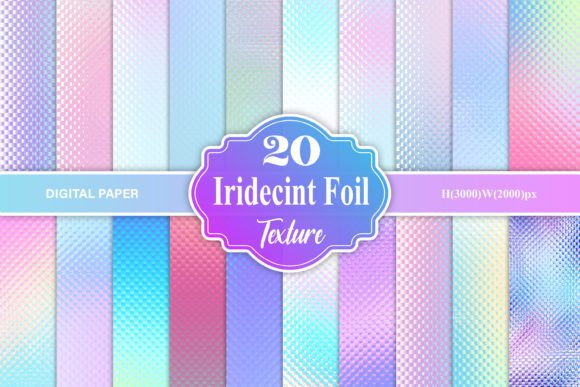
When using foil textures, it's important to consider file formats and resolution. The Foil Texture Background Bundle includes 20 high-resolution JPG files at 3000×2000 px, with a resolution of 300 DPI and RGB color mode. These specifications ensure that the textures maintain their quality when scaled up or printed, making them suitable for both digital and print use cases.
Additionally, the bundle's variety of styles means you have access to different levels of shine, opacity, and pattern density. This allows you to tailor the texture to suit the specific needs of your project, whether you're aiming for a subtle shimmer or a bold, reflective effect.
Practical Tips for Using Foil Texture Background
To get the most out of your Foil Texture Background collection, consider the following implementation tips:
- Layer Management: Always place foil textures behind other design elements to avoid overshadowing key content. This ensures that the texture enhances rather than distracts from the main message.
- Opacity Adjustments: Experiment with varying the opacity of the texture to find the perfect balance between subtlety and impact. A lower opacity can provide a soft, elegant finish, while higher settings create a more pronounced effect.
- Consistency in Design: Use the same foil texture across multiple design pieces to maintain a cohesive brand identity. This helps reinforce recognition and professionalism.
- File Organization: Keep your foil textures organized in folders based on style, use case, or intensity. This makes it easier to locate the right texture when needed.
- Testing and Iteration: Before finalizing a design, test different textures in various contexts to see how they interact with colors and other design elements. This iterative approach ensures optimal results.
By following these best practices, you can maximize the effectiveness of your Foil Texture Background collection and streamline your creative workflow.
Long-Term Value of Foil Texture Background
Investing in a high-quality Foil Texture Background Bundle offers long-term benefits for both personal and professional use. As your design skills grow, so too will your ability to leverage these textures in new and innovative ways. Whether you're working on a one-time project or developing an ongoing brand strategy, having access to a diverse set of textures ensures that you're always equipped to meet evolving design needs.
Moreover, the timeless appeal of foil textures means they remain relevant across different design trends and industries. This makes them a valuable asset that can be used repeatedly, saving time and effort in future projects.
Ultimately, Foil Texture Background is more than just a design element—it's a strategic tool that enhances the visual storytelling and professional value of your work. By understanding how to integrate it effectively into your creative process, you can unlock new possibilities and elevate your design output to the next level.