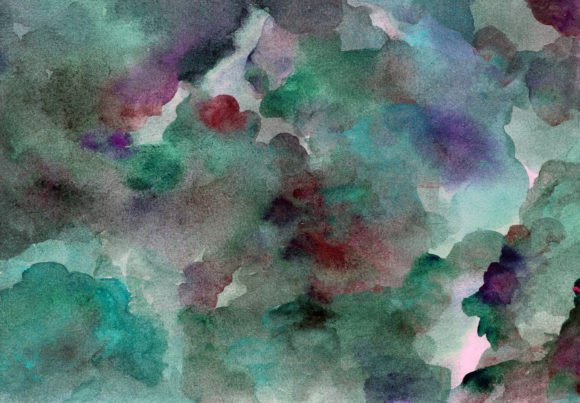
Exploring the World of Digital Watercolor Paper: A Creative Medium for Artists and Designers
Digital watercolor paper has emerged as a powerful tool in the modern creative landscape, offering artists and designers a unique way to blend traditional techniques with digital innovation. Whether you're a seasoned painter or a digital artist just starting out, understanding the nuances of digital watercolor paper can significantly enhance your workflow and artistic expression.
The Evolution of Artistic Media
The journey from physical canvases to digital platforms has been transformative for the art world. Digital watercolor paper represents a pivotal step in this evolution, allowing creators to harness the beauty of watercolor while leveraging the convenience and versatility of digital tools. This medium is particularly appealing to those who value both the tactile experience of traditional art and the flexibility of digital creation.
What Is Digital Watercolor Paper?
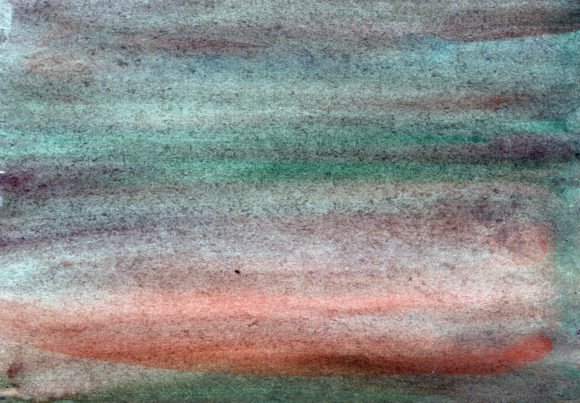
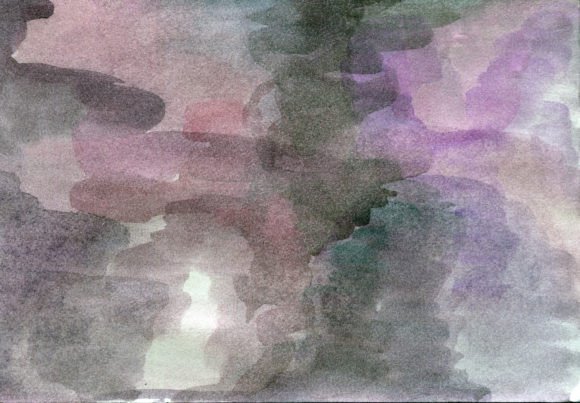
Digital watercolor paper is a type of virtual canvas designed specifically for digital artists who want to mimic the texture and behavior of traditional watercolor paper. It provides a realistic surface that responds to brush strokes in a manner similar to its physical counterpart. This paper is typically used in graphic design software such as Adobe Photoshop, Procreate, or Corel Painter.
When you download digital watercolor paper, you often receive a zip file containing a high-resolution JPG image. The image is usually formatted at 300 DPI, RGB color mode, and dimensions of 3000x2000 pixels. These specifications ensure that the paper maintains quality when printed or scaled up for use in larger projects.
Key Characteristics of Digital Watercolor Paper
- Texture: Digital watercolor paper mimics the grainy texture of real watercolor paper, giving artwork a natural, organic feel.
- Opacity: The paper allows for transparency effects, enabling layered painting techniques similar to traditional watercolor.
- Compatibility: It works well with most digital art software, making it a versatile choice for various creative workflows.
- Customization: Some versions offer different textures, colors, and sizes, allowing users to tailor their workspace to their specific needs.
Advantages of Using Digital Watercolor Paper
One of the primary benefits of digital watercolor paper is its ability to streamline the creative process. Unlike traditional watercolor, which requires physical materials and cleanup, digital paper allows for easy experimentation without the risk of wasting supplies. Artists can easily undo mistakes, try different compositions, and save multiple versions of their work.
Additionally, digital watercolor paper supports a wide range of artistic styles and techniques. From delicate washes to bold strokes, the medium adapts to the artist's vision. This flexibility makes it an excellent choice for both beginners and professionals looking to expand their creative toolkit.
Use Cases and Applications
Digital watercolor paper finds applications across various fields, including graphic design, illustration, education, and personal projects. Here are some common use cases:
Graphic Design and Illustration
Designers often use digital watercolor paper to create illustrations for book covers, magazine layouts, and branding materials. Its natural texture adds depth and character to visual content, making it a popular choice for creating hand-drawn aesthetics in digital formats.
Education and Training
In educational settings, digital watercolor paper serves as a valuable teaching tool. Students can practice traditional techniques in a digital environment, allowing them to focus on skill development without the constraints of physical materials. It also enables instructors to provide instant feedback and guidance during the learning process.
Personal Projects and Portfolios
For independent artists and hobbyists, digital watercolor paper offers a convenient way to maintain a creative portfolio. The ability to easily edit and share digital artworks makes it ideal for showcasing work online or in print.
Considerations When Choosing Digital Watercolor Paper
While digital watercolor paper offers numerous benefits, there are several factors to consider before making a purchase:
- Resolution and Size: Ensure that the paper size and resolution meet your project requirements. High-quality images like 3000x2000 pixels at 300 DPI are essential for professional use.
- Software Compatibility: Check that the paper is compatible with your preferred digital art software. Some papers may only work with specific programs.
- Cost and Value: While many digital papers are available for free, premium options may offer enhanced features such as additional textures or customizable options.
- Subscription Models: Some artists choose to subscribe to access exclusive content and updates on new products. This model ensures that users stay informed about the latest developments in the field.
How to Get Started
Getting started with digital watercolor paper is straightforward. Simply search for reputable sources that offer high-quality digital paper downloads. Many artists and designers share their creations online, and some provide downloadable files in ZIP format. Once downloaded, you can import the paper into your chosen software and begin creating.
As you explore the world of digital watercolor paper, you'll discover new ways to express your creativity. Whether you're working on a professional project or experimenting with personal art, this medium offers endless possibilities. By understanding its characteristics, advantages, and applications, you can unlock a more efficient and inspiring creative process.
Thank you for visiting me. I hope this article has provided you with valuable insights into the world of digital watercolor paper. Subscribe to me and stay updated on my new products and creative endeavors. Let’s continue to explore the intersection of tradition and technology in the ever-evolving world of art.