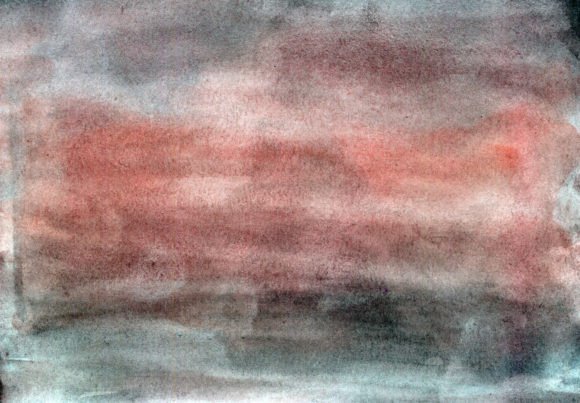
Hand Drawn Watercolor Texture: A Creative Resource for Designers and Artists
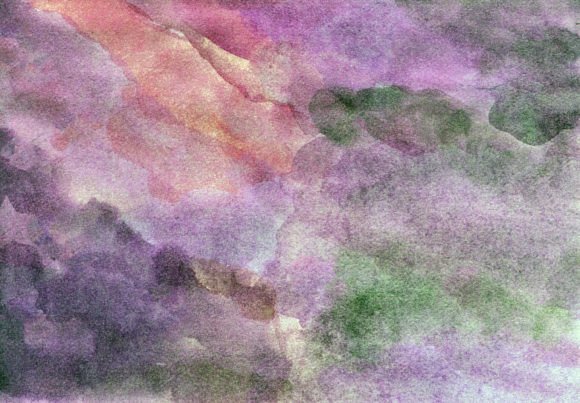
Hand Drawn Watercolor Texture is a versatile design asset that has gained popularity among creators, designers, and artists. Whether you're working on digital projects, print materials, or creative content, this texture can add a unique, organic feel to your work. It's especially useful for those looking to infuse their designs with a handcrafted aesthetic without the need for traditional watercolor painting skills.
Why Hand Drawn Watercolor Texture Matters
For many creators, the appeal of Hand Drawn Watercolor Texture lies in its ability to mimic the soft, flowing nature of real watercolor. Unlike digital brushes or photo textures, this type of texture offers a more natural, artistic look that can elevate the visual quality of any project. From website backgrounds to product packaging, it's a flexible tool that can be used across multiple platforms and applications.
However, not everyone understands how to best use this resource. Many people overlook key considerations when choosing or applying Hand Drawn Watercolor Texture, which can lead to suboptimal results. Understanding these nuances can make all the difference in achieving the desired outcome.
Common Mistakes When Using Hand Drawn Watercolor Texture
One of the most common mistakes is assuming that any Hand Drawn Watercolor Texture will work for every project. In reality, the right texture depends on the specific use case, resolution, and color mode. For example, using a texture designed for print in a digital format may result in pixelation or loss of detail.
- Choosing the wrong resolution: Textures with lower resolution (like 72 DPI) are unsuitable for print or high-quality digital use. Always opt for 300 DPI images for professional applications.
- Ignoring color modes: RGB is ideal for screen use, while CMYK is better suited for print. Mixing them can lead to unexpected color shifts.
- Not checking file formats: Some textures come in PNG or JPEG formats, but not all are compatible with every software. Make sure the format matches your needs.
- Overlooking image size: A texture that's too small can appear pixelated, while one that's too large may slow down your workflow or consume unnecessary storage space.
How These Mistakes Affect Your Work
Mistakes like these can have a direct impact on the quality and usability of your final output. Poor resolution can make your design look unprofessional, especially if it's intended for print or client presentations. Color mode mismatches can also lead to disappointing results when printed, causing frustration and wasted time.
Additionally, using the wrong file format or size can affect your workflow efficiency. Large files may slow down your software, while small ones might lack the necessary detail for high-quality work. These issues can ultimately reduce your satisfaction with the final product and affect your confidence in using Hand Drawn Watercolor Texture effectively.
Practical Tips for Better Use
To avoid these pitfalls, start by understanding the specific requirements of your project. If you're designing for print, ensure the texture is in CMYK and at least 300 DPI. For digital use, go with RGB and check the resolution before downloading.
Also, always preview the texture in the context where it will be used. Test it on different backgrounds and sizes to see how it looks in real-world scenarios. This helps you identify any potential issues early on and adjust accordingly.
Another helpful tip is to keep a collection of textures that match your style and project needs. Having a variety of options allows you to choose the best fit for each situation, rather than relying on a single texture for everything.
What to Check Before Downloading
Before downloading any Hand Drawn Watercolor Texture, take a few moments to review the details provided. Look for information about resolution, color mode, file format, and image dimensions. These factors directly influence the usability and quality of the texture.
Also, consider the source. Reputable creators often provide clear information about their products, including usage rights and licensing terms. Ensure you understand whether the texture is free to use, requires attribution, or is for personal use only.
If you're unsure about something, don't hesitate to ask questions. Many creators are happy to help and may even offer additional resources or guidance to ensure you get the most out of their textures.
Conclusion
Hand Drawn Watercolor Texture is a powerful tool for creators who want to add a touch of artistry to their work. By understanding the basics and avoiding common mistakes, you can use this resource more effectively and achieve better results. With the right approach, you'll be able to enhance your projects and enjoy a more satisfying creative experience.
Thank you for visiting me. I hope this guide helps you make informed decisions and explore the full potential of Hand Drawn Watercolor Texture. Subscribe to stay updated on new products and creative tips. Happy creating!